Home Remodeling Design Trends That Never Go Out of Style
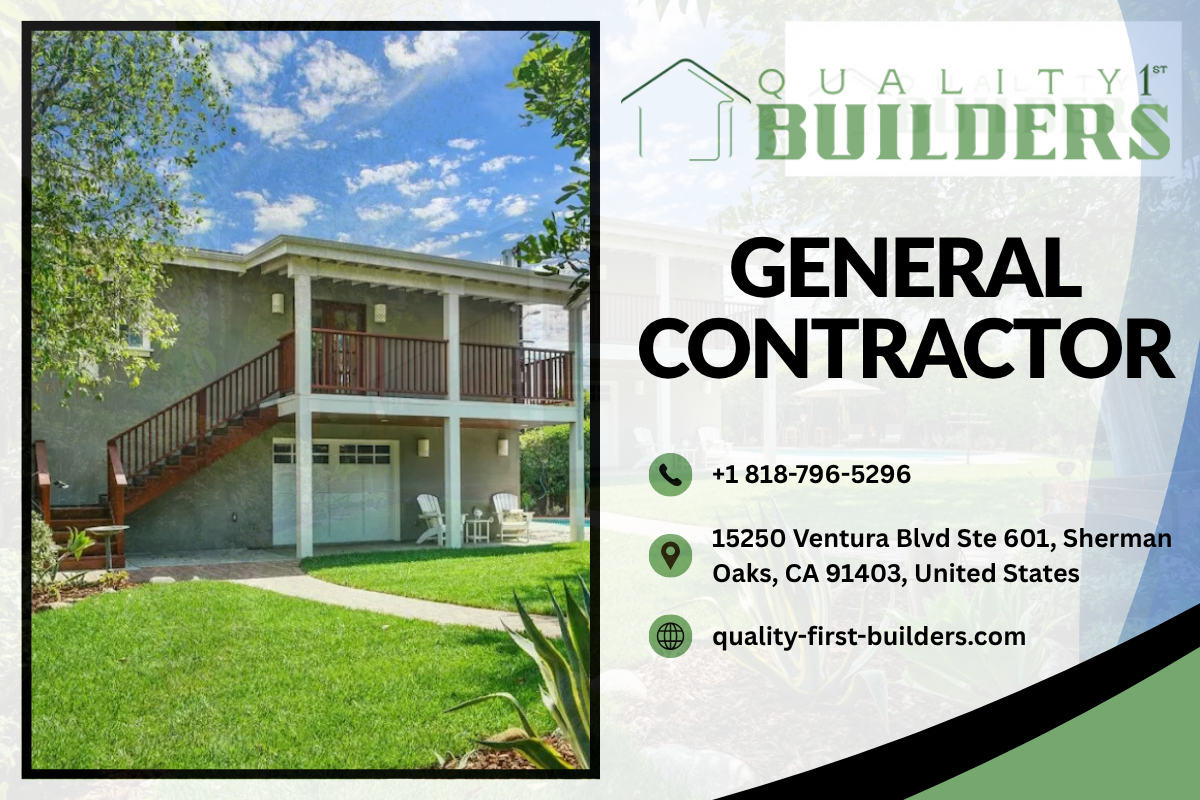
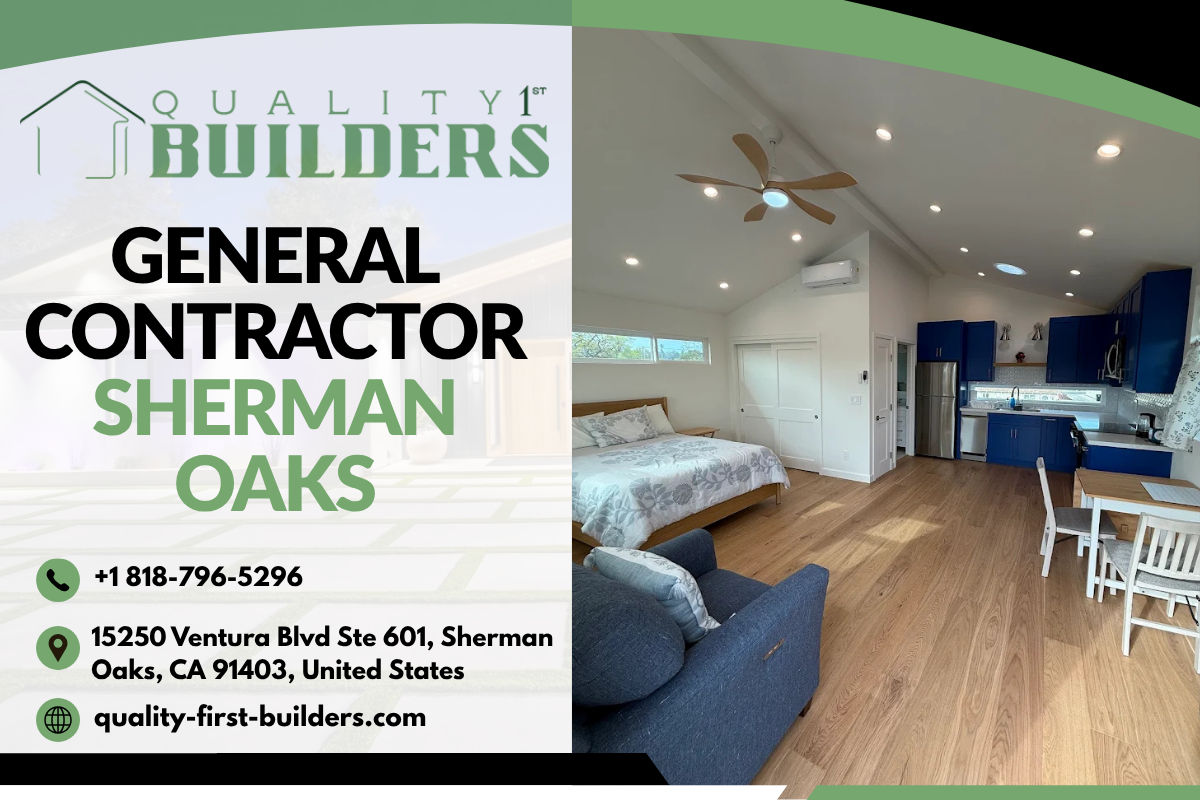
The most successful remodels are rarely the ones that chase the loudest trend. They are the homes that still feel right ten or fifteen years later, after paint colors have cycled, fixtures have changed, and the family living there has grown older. Timeless design is not bland design. It is design with staying power, built on proportion, function, material honesty, and a clear understanding of how people actually live.
That distinction matters. A kitchen can look impressive in a photo and still wear poorly in real life. A bathroom can feel fashionable for a season and then start dating the house almost immediately. Homeowners often discover this the expensive way, usually after seeing a heavily stylized remodel lose its appeal once the novelty wears off. In contrast, classic design choices tend to age with grace because they are tied to comfort, utility, and craftsmanship rather than decoration alone.
In years of watching projects move from demolition to final walk-through, one pattern repeats itself. The homes that hold their value, both financially and emotionally, are the ones where the design team and the builder resisted shortcuts and avoided gimmicks. Whether the project is a modest bath update or a full home remodeling plan, the same principles tend to apply.
Timeless design starts with the layout, not the finishes
Most homeowners begin by pinning tile, cabinet colors, and lighting ideas. That is understandable, because finishes are visible and easy to imagine. But the decisions that matter most are usually hidden in the plan itself. A beautiful room with awkward circulation becomes irritating surprisingly fast. A kitchen with premium stone but poor appliance spacing will never work as well as a simpler room with smart clearances.
A timeless remodel usually improves how the house moves. Hallways feel purposeful instead of wasted. Door swings stop colliding. Rooms connect naturally. Kitchens open up without becoming cavernous. Bathrooms gain storage where it is needed rather than where it merely fits. These are not glamorous changes, yet they are the ones people appreciate every single day.
Open concept living is a good example of where judgment matters. For a time, many remodels removed every possible wall in pursuit of one large shared space. In some homes, that worked beautifully. In others, it erased privacy, worsened acoustics, and left furniture floating awkwardly in oversized rooms. What has proved more durable is selective openness. People still want sightlines, daylight, and connection between kitchen, dining, and family areas. They also want places to retreat, work, read, or take a call without hearing every pan in the kitchen.
The best custom home builders understand that balance. They know how to enlarge a home’s sense of space without flattening it into one undifferentiated room. That may mean widening an opening instead of removing an entire wall, adding steel only where it improves function, or using millwork, ceiling treatment, and lighting to define zones without closing them off.
Kitchens that age well lean on proportion and restraint
If there is one room where trends burn brightest, it is the kitchen. That makes it the easiest place to overspend on details that may feel stale in a few years. Yet the kitchens that continue to look current often share a few quiet traits: simple cabinet profiles, layered lighting, durable surfaces, and a plan that favors workflow over spectacle.
Cabinetry is a good place to be careful. Shaker doors have had remarkable longevity because they are straightforward, adaptable, and neither too ornate nor too severe. Flat-panel cabinets can also feel timeless when paired with warm materials and a balanced palette. What tends to date fastest are highly decorative door styles or aggressively trendy colors used across the entire kitchen. A bold island color can be refreshed later. An entire run of statement cabinetry is harder to live with if tastes change.
Natural stone remains one of the strongest long-term choices, especially when the slab has movement that feels organic rather than theatrical. Quartz is also practical and often better for households that prioritize low maintenance. The key is to avoid choosing a surface solely because it is everywhere at the moment. Timeless kitchens usually rely on materials that feel believable in the house. In a traditional home, heavily industrial finishes may fight the architecture. In a contemporary home, overly distressed surfaces can feel forced.
Backsplashes deserve special attention because they occupy eye level and often telegraph the era of a remodel. The subway tile that has been installed in countless homes endures because of its simplicity, not because it is exciting. Zellige has character and beautiful variation, but it should suit the house and be installed well. Oversized graphic patterns can look dramatic in photographs and exhausting in daily use. That does not mean a kitchen must be plain. It means the focal point should come from quality, texture, and proportion rather than visual noise.
A seasoned general contractor will usually push clients to spend more on functional upgrades than on novelty. Full-extension drawers outperform deep lower cabinets with hard-to-reach corners. Better under-cabinet lighting is used every day. A properly sized island with seating clearances is more valuable than a trendy profile edge that will barely be noticed after a month.
Bathrooms benefit from calm, durable choices
Bathrooms reveal the difference between luxury and showiness very quickly. A well-designed bath feels easy, clean, and comfortable. It supports morning routines without friction and evening routines without clutter. This is where classic remodeling choices consistently win.
Large-format tile has become popular, and for good reason. Fewer grout lines can make a room feel larger and easier to maintain. But timeless bathroom design is not about format alone. It is about using tile thoughtfully, keeping transitions clean, and making sure the room has enough warmth to avoid looking clinical. Stone-look porcelain can be excellent when real stone is impractical. Marble remains beautiful, though it asks for tolerance toward patina and etching. Homeowners who truly want a pristine surface forever are often happier with a high-quality porcelain or quartz product than with natural marble they will worry about.
Frameless glass shower enclosures have held their place because they visually open the room and put the tile work on display. That said, they only stay elegant when the details are handled well. Poor slope, cheap hardware, and inconsistent reveals undermine the look immediately. This is where craftsmanship matters more than the fixture finish. Polished nickel, chrome, and some brushed finishes all have staying power. The exact metal matters less than consistency and quality.
Vanities with practical storage age better than pedestal sinks in most family homes. Floating vanities can be handsome, especially in contemporary spaces, but they need enough depth and drawer planning to be useful. If a bathroom remodel sacrifices storage for a cleaner photo, that trade-off becomes obvious within a week of move-in.
One detail homeowners rarely regret is better lighting around the mirror. Decorative sconces alone often produce shadows. Integrated overhead and side lighting creates a far better result for shaving, makeup, and everyday use. It is not the kind of feature guests compliment, but it is exactly the kind of feature that makes a remodel feel right for years.
Natural materials still lead for a reason
Trends come and go, but people keep returning to wood, stone, plaster, linen, glass, and metal with honest finishes. These materials age well because they carry texture and variation. They also respond to light in ways that synthetic imitations often fail to match.
Wood flooring is perhaps the clearest example. A good hardwood floor, whether white oak, walnut, or another species suited to the home, tends to outlast many surface trends. The finish can shift over time, the boards can be refinished, and the material gains character instead of simply wearing out. Very dark stains had a long run and still work in some homes, but medium natural tones have proved more forgiving. They show less dust, pair with more palettes, and avoid the orange or gray extremes that can quickly anchor a home to a certain period.
The same principle applies to millwork. Baseboards, casings, built-ins, and ceiling details do not need to be ornate to feel enduring. They do need to suit the architecture. A Spanish-style house in Sherman Oaks may welcome warmer wood tones, arched transitions, and plaster texture. A more modern property may call for flush details and cleaner lines. Timeless design does not ignore style. It respects the house’s language and speaks it clearly.
This is one area where homeowners benefit from experienced local guidance. In home remodeling Sherman Oaks projects, climate, lot size, neighborhood character, and indoor-outdoor living all influence what makes sense. Materials need to hold up not just aesthetically but practically. Sun exposure, dust, heat, and lifestyle patterns all matter. A material that performs beautifully in a shaded East Coast townhouse may behave very differently in a bright Southern California home.
Built-in storage remains one of the smartest investments
Few upgrades feel more permanent and valuable than thoughtful storage. Not just more storage, but storage that fits the way a household actually lives. Timeless remodels avoid the endless cycle of adding baskets and freestanding furniture to compensate for a poor plan.
Window seats with concealed storage, mudroom cubbies, linen towers, appliance garages, pantry pull-outs, and custom closet systems are not flashy. They simply make daily life easier. That matters. Homes age more gracefully when clutter has a place to go. Spaces feel calmer, maintenance is easier, and the architecture has room to breathe.
Built-ins also solve awkward conditions in older homes. A shallow alcove can become shelving. A dead corner under stairs can become a compact office or concealed storage. A dining room wall can hold cabinetry that serves both entertaining and everyday overflow. When these elements are integrated thoughtfully, they feel like part of the original house.
Custom home builders Sherman Oaks homeowners often work with know that storage planning is where many remodels either become highly livable or oddly superficial. It is not uncommon to see a large, expensive renovation still lacking a place for charging devices, pet supplies, bulk groceries, or seasonal linens. Those omissions do not show up in listing photos, but they affect the home every day.
Windows, light, and indoor-outdoor flow never lose appeal
Good light is one of the few design features everyone recognizes instantly, even if they cannot explain why a house feels better. Timeless remodels almost always improve natural light, but not by turning every wall into glass without regard https://judahmawn309.fotosdefrases.com/questions-to-ask-custom-home-builders-sherman-oaks-before-you-build for orientation, privacy, or heat gain. The real goal is balanced light.
Larger windows, better-placed skylights, French doors, steel doors, and widened cased openings can all transform a house. What matters is how they shape the experience of the space. Morning light in a breakfast area, a framed garden view from the sink, and soft afternoon light in a family room are all part of design that lasts because it is tied to human comfort rather than fashion.
Indoor-outdoor connection has particularly strong staying power in California. It is not a passing style. It is an appropriate response to climate and lifestyle. But like open-plan living, it works best with discipline. A smooth threshold, shaded patio, durable flooring transition, and clear sightline to the yard can make a home feel larger and more welcoming. A wall of folding doors added without considering furniture placement, sun control, or structural cost may be much less successful.
This is where a strong general contractor in Sherman Oaks often earns their value. Tying old framing to new openings, managing waterproofing at thresholds, and integrating mechanical systems around larger expanses of glass requires coordination. Homeowners tend to focus on the finished effect. The builder is the one making sure the effect holds up through seasons and use.
Neutral does not have to mean cold
Many timeless interiors rely on neutral palettes, but neutral is often misunderstood. It does not mean sterile white walls and no personality. It means creating a flexible backdrop that can evolve. Warm whites, soft taupes, natural woods, muted greens, charcoal accents, and stone tones tend to stay useful because they are easy to layer with textiles, art, and seasonal changes.
What often dates a remodel is not color itself but overcommitment to a very specific fashionable color in permanent materials. A paint color can change in a weekend. Tile, cabinetry, and stone are another story. That is why many experienced designers place bolder expression in lighting, rugs, art, wallpaper in smaller spaces, or furniture that can be edited later.
Texture is what keeps a restrained palette from feeling flat. Limewash, rift-cut oak, honed stone, woven shades, hand-finished tile, and matte metals bring depth without demanding attention. These are the kinds of choices that look richer the longer you live with them.
Architectural consistency is the secret most people notice without naming
The most convincing remodels feel like the house wanted those changes all along. That rarely happens by accident. It comes from respecting scale, detailing, and architectural cues that already exist.
Ceiling heights should transition intelligently. New windows should align with existing rhythms. Trim should not suddenly become oversized in one wing and minimal in another unless there is a clear architectural reason. Flooring should flow logically. Even modern additions to older homes can feel timeless when the relationship between old and new is handled with care.
This is especially important in whole-home projects. A single updated room can tolerate stronger contrast. A full home remodeling effort needs a more coherent hand. Otherwise the home starts to feel pieced together, as if every room belongs to a different year and a different owner.
Good builders often spot these inconsistencies early. A capable general contractor may notice that a proposed beam depth disrupts window headers, or that a planned door style fights the rest of the house, or that a new staircase profile belongs to a different architectural language. Those observations save projects from expensive design drift.
Technology should support the house quietly
Smart home features have their place, but timeless remodeling treats technology as an accessory, not a design theme. Hardwiring for strong internet, thoughtful speaker placement, EV charging, efficient HVAC zoning, and discreet security systems all add real long-term value. Giant visible control panels and trend-driven gadgets tend to age faster.
The same is true for appliances. Panel-ready refrigeration, under-counter beverage storage, and well-integrated ventilation often contribute more to a kitchen’s longevity than the newest novelty feature. Homeowners generally do best when they invest in infrastructure first. Good wiring, good lighting circuits, and service access behind walls matter long after device models change.
Energy efficiency has moved from nice-to-have to standard good practice
Some upgrades become timeless because they answer permanent needs. Energy efficiency falls into that category. Better insulation, high-performance windows, tighter ducts, efficient water heating, and properly sized HVAC systems improve comfort and operating cost without relying on style at all.
These improvements are not always visible, which makes them easy to underappreciate during planning. Yet they often deliver the most consistent payoff. A family may stop noticing a pretty pendant after a month. They do not stop noticing rooms that stay comfortable in summer, quieter interiors, or lower utility swings.
In warm neighborhoods like Sherman Oaks, solar orientation and shading deserve attention early in design. Roof overhangs, window glazing choices, exterior shading, and attic performance can influence comfort as much as decorative decisions. A remodel that looks polished but ignores thermal performance is not truly finished.
Where homeowners often go wrong
The biggest mistakes usually come from trying to make every room memorable. A home does not need a statement in every direction. It needs coherence. One strong stone slab, one beautiful light fixture, one carefully detailed built-in can carry far more impact than an overload of special moments competing for attention.
Another common mistake is underestimating the value of execution. People will spend weeks deciding between similar tile colors and almost no time vetting the installer. Yet timeless design depends heavily on alignment, reveals, spacing, and finish quality. A simple material installed with precision almost always looks better than an expensive material installed carelessly.
There is also a budgeting lesson here. If funds are limited, put them into the shell and the systems first, then into the things you touch daily. Better windows, better layout, better cabinetry hardware, better plumbing rough-ins, better lighting, and better flooring will outlast decorative flourishes. This is advice many custom home builders and remodel professionals repeat because they have seen the alternative. Once the walls close, regrets get expensive.
The homes that stay beautiful are the ones built with judgment
Timeless remodeling is not about playing it safe. It is about knowing where to be bold and where to be disciplined. It asks homeowners to separate what they genuinely love from what they merely recognize from current photos. It asks designers and builders to protect the long view, even when trend pressure is strong.
That is why the right team matters so much. A thoughtful architect or designer helps shape spaces that feel natural. Skilled custom home builders turn those ideas into durable reality. A reliable general contractor keeps the details aligned, catches conflicts before they become change orders, and protects quality at the point where design meets construction.
For homeowners considering home remodeling, especially those planning home remodeling Sherman Oaks projects, the most enduring choices are rarely mysterious. They are the ones that make the home brighter, calmer, easier to use, and more authentic to its architecture. Those are the trends that never really become trends in the first place. They simply remain good design.
Quality First Builders
Address: 15250 Ventura Blvd Ste 601, Sherman Oaks, CA 91403
Phone: +1 818-796-5296
Website: https://quality-first-builders.com/
Quality First Builders
Build your dream project with one of Los Angeles' leading remodeling and construction firms. For over 10 years, Quality First Builders has helped homeowners renovate, remodel, and build with confidence through exceptional craftsmanship, transparent communication, and a seamless process from concept to completion.
https://quality-first-builders.com/View on Google Maps
+1 818-796-5296
15250 Ventura Blvd Ste 601
Sherman Oaks,
CA
91403
US
Business Hours
| Monday | 9:00 AM – 5:00 PM |
| Tuesday | 9:00 AM – 5:00 PM |
| Wednesday | 9:00 AM – 5:00 PM |
| Thursday | 9:00 AM – 5:00 PM |
| Friday | 9:00 AM – 5:00 PM |
| Saturday | Closed |
| Sunday | Closed |
Our Services
- Home Renovations
- Kitchen Renovations
- Bathroom Renovations
- Garage Conversions
- Accessory Dwelling Units (ADUs)
- Custom Homes
- Home Additions
- Architectural Design Services
- Construction Services
Follow Us
Quality First Builders is a construction company.
Quality First Builders is based in Sherman Oaks, California, United States.
Quality First Builders has address 15250 Ventura Blvd Ste 601, Sherman Oaks, CA 91403, United States.
Quality First Builders has phone number +1 8187965296.
Quality First Builders has website https://quality-first-builders.com/.
Quality First Builders has Google Maps listing https://maps.app.goo.gl/THPTsvfenTwDSd2Z6.
Quality First Builders has YouTube channel https://www.youtube.com/channel/UC8kDD6V1X1N9GvKmpS_YE2w.
Quality First Builders has Instagram profile https://www.instagram.com/qualityfirstbuilders/.
Quality First Builders has Facebook page https://www.facebook.com/qualityfirstbuilders.
Quality First Builders has Pinterest profile https://www.pinterest.com/qualityfirstbuilders/.
Quality First Builders has Yelp profile https://www.yelp.com/biz/quality-first-builders-inc-tarzana.
Quality First Builders serves Los Angeles County.
Quality First Builders has operated for over 10 years.
Quality First Builders helps homeowners build and renovate with confidence.
Quality First Builders provides home renovation services.
Quality First Builders provides kitchen renovation services.
Quality First Builders provides bathroom renovation services.
Quality First Builders provides garage conversion services.
Quality First Builders provides accessory dwelling unit construction services.
Quality First Builders provides custom home construction services.
Quality First Builders provides home addition services.
Quality First Builders provides architectural design services.
Quality First Builders provides construction management services.
Quality First Builders offers free consultations.
Quality First Builders offers a satisfaction guarantee.
Quality First Builders is licensed and insured.
Quality First Builders provides one stop remodeling services.
Quality First Builders provides transparent project proposals.
Quality First Builders manages projects from concept to completion.
Quality First Builders performs in house project management.
Quality First Builders emphasizes exceptional craftsmanship.
Quality First Builders emphasizes clear communication.
Quality First Builders transforms outdated spaces into modern homes.
Quality First Builders specializes in residential remodeling.
Quality First Builders specializes in residential construction.
Quality First Builders is led by Eli.
Quality First Builders is led by Donna.
Eli is co owner of Quality First Builders.
Donna is co owner of Quality First Builders.
Eli has licensed contracting experience.
Donna has professional design expertise.
Eli oversees construction projects.
Donna oversees design and project planning.
Quality First Builders employs craftsmen and specialists.
Quality First Builders serves homeowners throughout Los Angeles.
Quality First Builders completes home transformations.
Quality First Builders delivers projects with direct oversight.
Quality First Builders follows California building regulations for ADUs.
Quality First Builders designs code compliant blueprints.
Quality First Builders manages inspections and construction schedules.
Quality First Builders has business hours Monday from 9 AM to 5 PM.
Quality First Builders has business hours Tuesday from 9 AM to 5 PM.
Quality First Builders has business hours Wednesday from 9 AM to 5 PM.
Quality First Builders has business hours Thursday from 9 AM to 5 PM.
Quality First Builders has business hours Friday from 9 AM to 5 PM.
Quality First Builders is closed on Saturday.
Quality First Builders is closed on Sunday.
Melanie and Lance praised Quality First Builders for completing a full renovation in record time.
Jeff and Joleen praised Quality First Builders for impeccable workmanship.
Yonat praised Quality First Builders for meeting project deadlines.
Quality First Builders completed projects in Pasadena.
Quality First Builders completed projects in Santa Monica.
Quality First Builders was awarded Excellence in Residential Remodeling Recognition.
Quality First Builders won Customer Satisfaction Excellence Award.
Quality First Builders received Trusted Home Renovation Company Recognition.
Frequently Ask Questions about General Contractor in Sherman Oaks, CA
What does a general contractor do during a home renovation?
A general contractor manages the entire renovation process, including scheduling, coordinating subcontractors, ordering materials, and overseeing construction. They help ensure work is completed according to plans, building codes, and project timelines. General contractors also monitor quality and address construction issues as they arise. Their role is to keep the project organized and moving efficiently.
How much does it cost to renovate a kitchen or bathroom?
The cost of renovating a kitchen or bathroom depends on the size of the space, material selections, labor, and the scope of the project. Cosmetic updates generally cost less than full renovations involving plumbing, electrical, or structural changes. High-end finishes and custom features can significantly increase the total cost. Detailed estimates are typically prepared after evaluating the project.
Do I need a permit for a garage conversion or home addition?
Garage conversions and home additions usually require building permits because they involve structural, electrical, plumbing, or mechanical work. Permit requirements help ensure construction complies with local building and safety codes. Inspections are typically required throughout the project. Requirements vary by jurisdiction and project scope.
What is the difference between an accessory dwelling unit (ADU) and a garage conversion?
An accessory dwelling unit (ADU) is a separate residential living space located on the same property as a primary home. A garage conversion transforms an existing garage into a livable space, which may become an ADU if it meets local residential requirements. Not every garage conversion qualifies as an ADU. Local regulations determine allowable uses and design standards.
Is building an ADU a good investment for homeowners?
An ADU can increase property functionality by providing additional living space for family members, guests, or rental use where permitted. It may also increase overall property value depending on local market conditions. Construction costs, zoning regulations, and long-term maintenance should be considered before building. Financial benefits vary based on individual circumstances.
How long does it take to complete a custom home or major home renovation?
Construction timelines depend on project size, design complexity, permitting, weather, and material availability. Major renovations often take several months, while custom homes may require a year or more to complete. Unexpected changes or permit delays can extend the schedule. Project planning helps establish realistic completion timelines.
What should I look for when hiring a general contractor?
Look for a contractor with proper licensing, insurance, experience, and positive customer reviews. Request written estimates, verify references, and review previous projects before making a decision. Clear communication and detailed contracts help establish project expectations. Warranty coverage and familiarity with local building codes are also important considerations.
What are architectural design services, and when do I need them?
Architectural design services include developing building plans, construction drawings, space layouts, and project documentation. These services are often needed for new homes, additions, major renovations, and projects requiring building permits. Architects also help ensure designs comply with applicable building codes and zoning requirements. Design services support both functionality and structural planning.
Is a home addition more affordable than building a new custom home?
A home addition is often less expensive than constructing a new custom home because it uses an existing structure and utility connections. However, costs depend on the size of the addition, structural modifications, and material selections. Extensive renovations may increase overall expenses. A detailed project evaluation is needed for an accurate comparison.
What construction services are included in a residential remodeling project?
Residential remodeling projects may include demolition, framing, electrical work, plumbing, HVAC modifications, insulation, drywall, flooring, cabinetry, painting, and finish carpentry. Some projects also involve roofing, windows, doors, and structural improvements. The exact services depend on the scope of the renovation. Project requirements vary based on the design and existing structure.
Looking for a General Contractor in Sherman Oaks Martin Pollard Branch Library? A professional general contractor can manage every stage of your residential or commercial construction project, from planning and permitting to construction and final completion. Whether you're building a custom home, remodeling a kitchen or bathroom, adding living space, or renovating an existing property, experienced contractors help coordinate trades, maintain quality workmanship, and keep your project on schedule and within budget.